Supplemental K–5 math for understanding and creativity
We help every student see the math.
Bar Model Math gives K–5 teachers a simple, visual way to teach students to understand numbers, solve problems and explain their thinking.
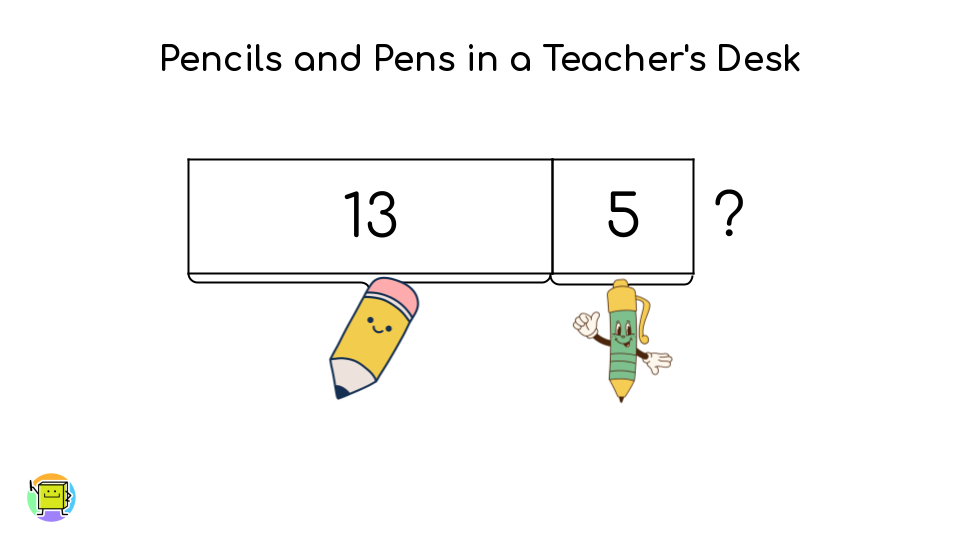
Can you make a matching word problem?
The Bar Model Math difference
You may have used tape diagrams or bar models in your classroom before, but at Bar Model Math, these are more than a diagram. Bar modeling is an art form. It’s a tool in our tool belt that helps students not only solve, but understand the trickiest problems they’ll see throughout elementary and into middle school.
Bar models take the reading out of word problems.
Makes math visual
Students see the math instead of hunting for key words.
Makes math class more inclusive
Breaks down language barriers, and provides a flexible tool that increases proficiency for advanced and struggling learners.
Structure, with room to create
Clear, step-by-step lessons and examples, with plenty of room for students to express themselves creatively along the way.
Students explain their thinking
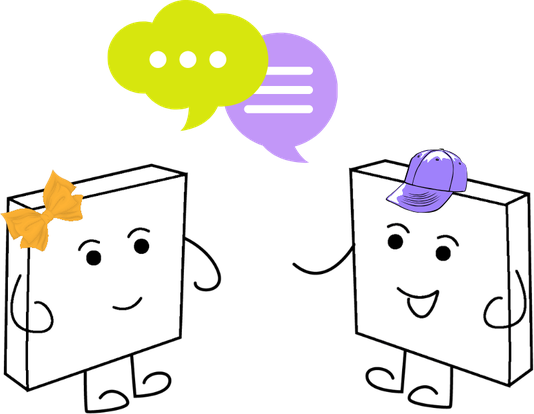
We don’t aim for perfection. The real goal: can students explain what they did? Can a friend solve their bar model without reading the word problem?
Works with what you have
Use it alongside any textbook or math program.
Low-prep and easy to teach
Ready-to-teach lessons, activities, and task cards – with quick tips for teachers along the way.














One tool that grows with students, K–5 and beyond.
Each grade has hundreds of bar models in so many formats.
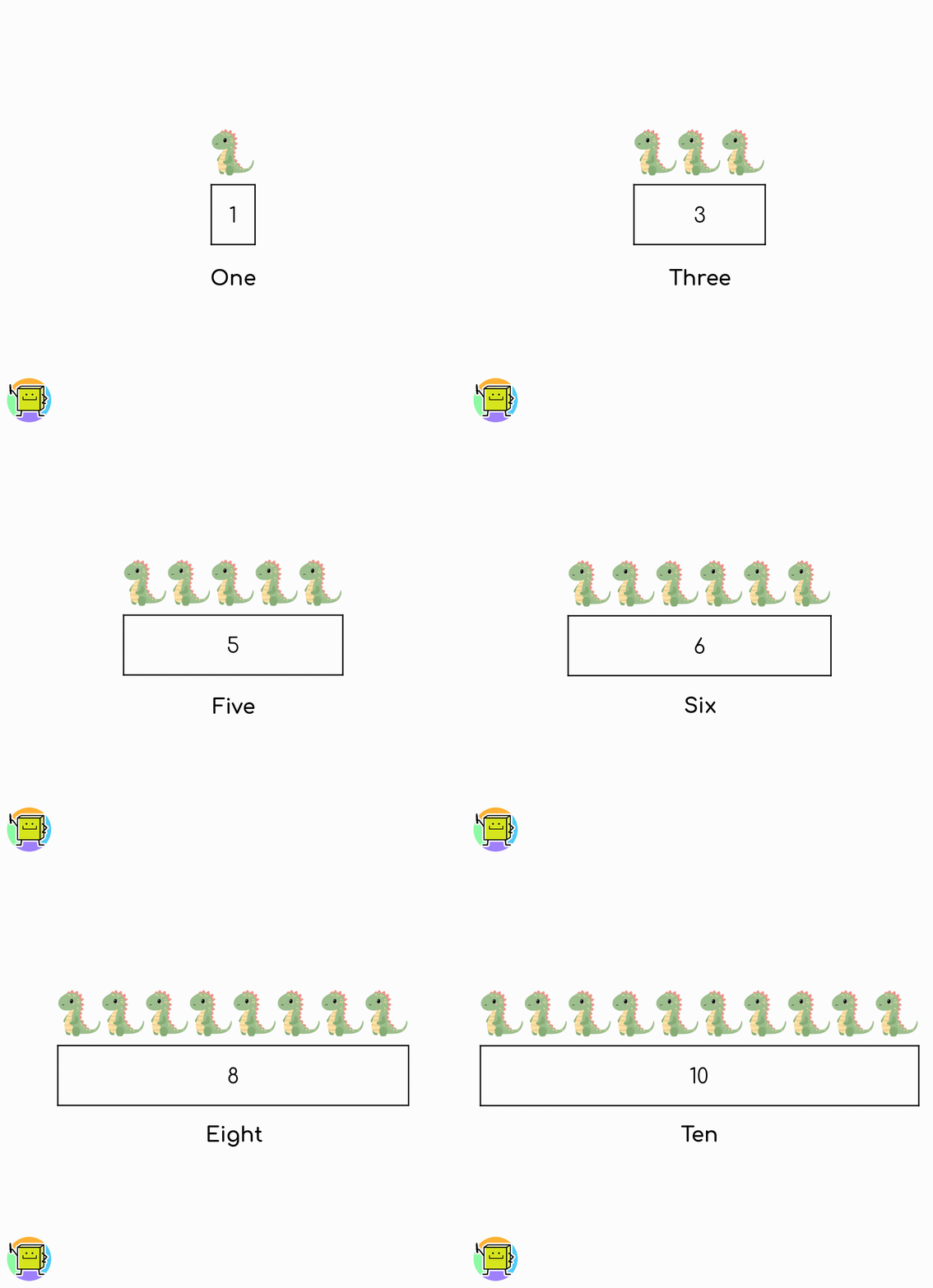
Numbers and counting
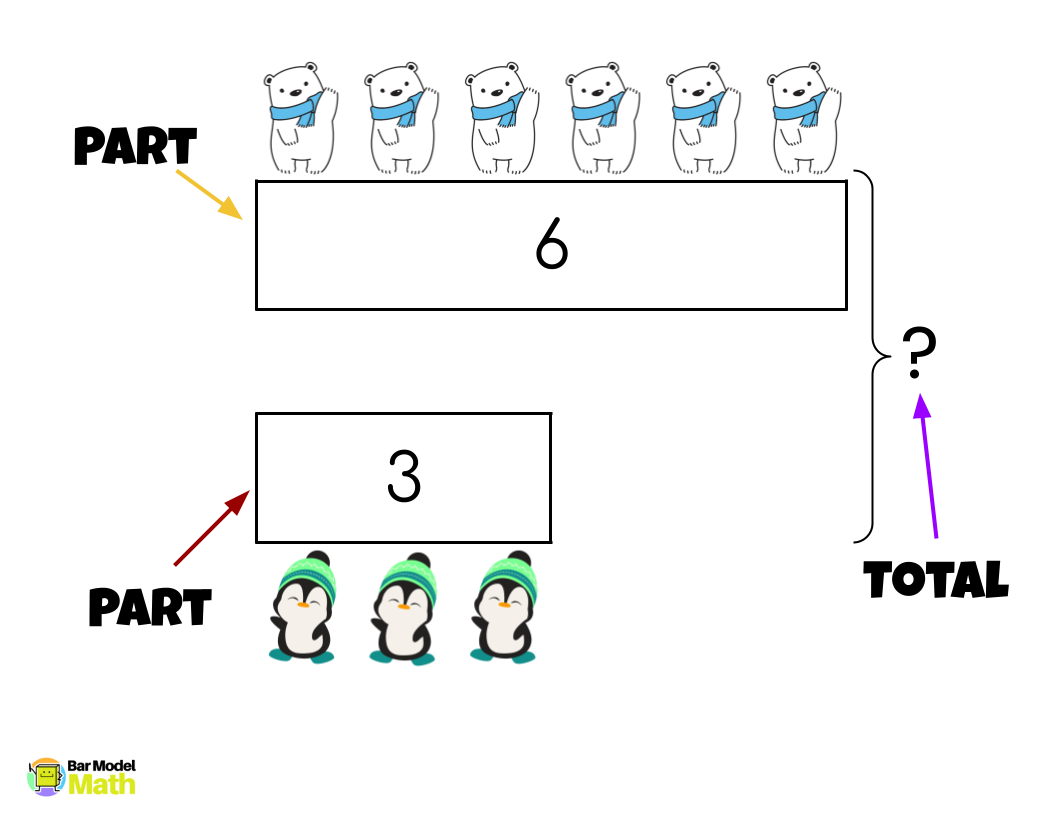
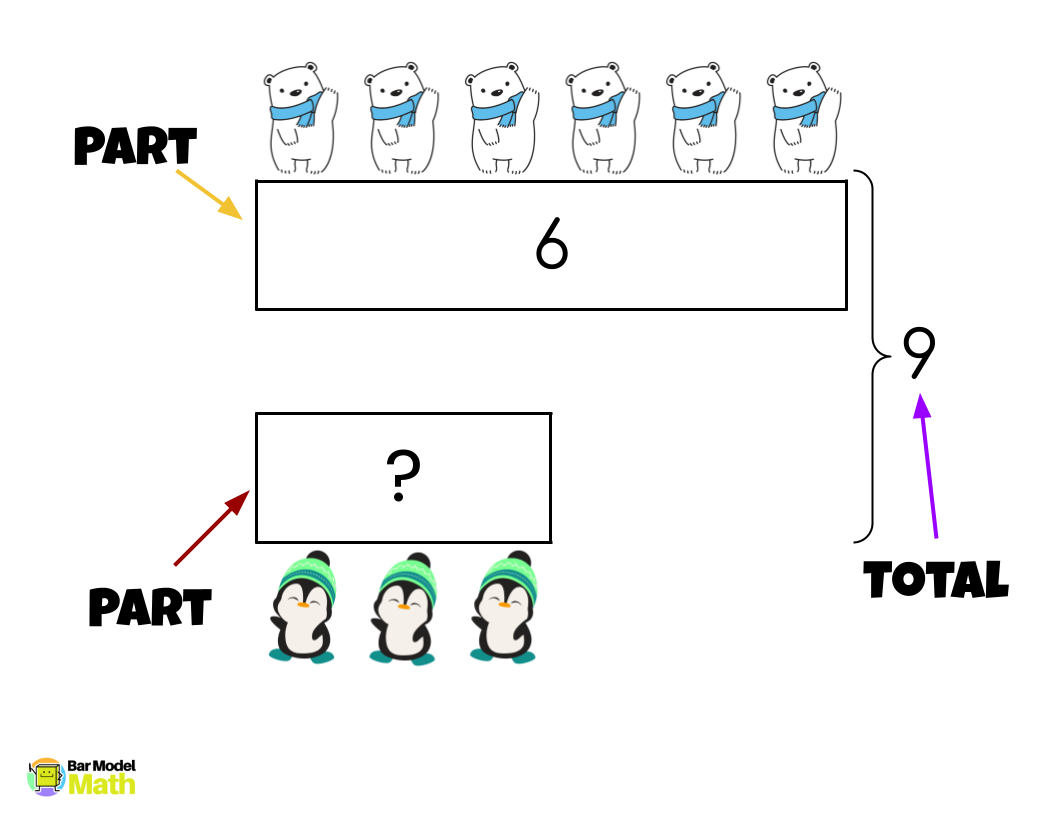

Addition and subtraction
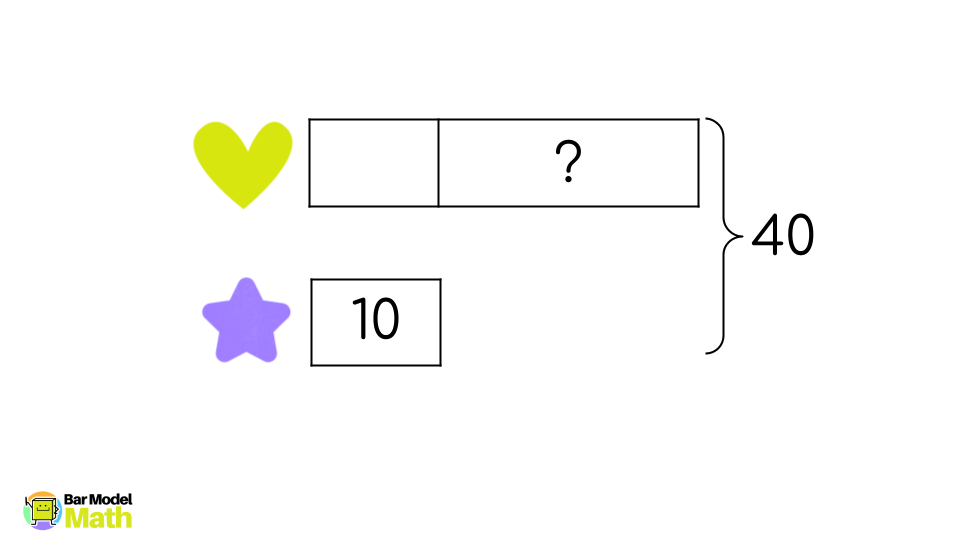
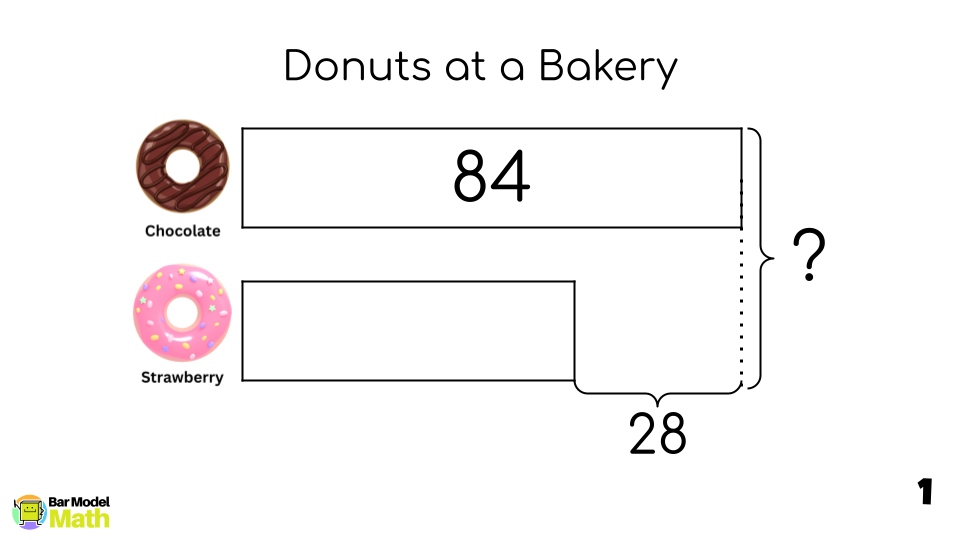
When keywords try to “trick” you
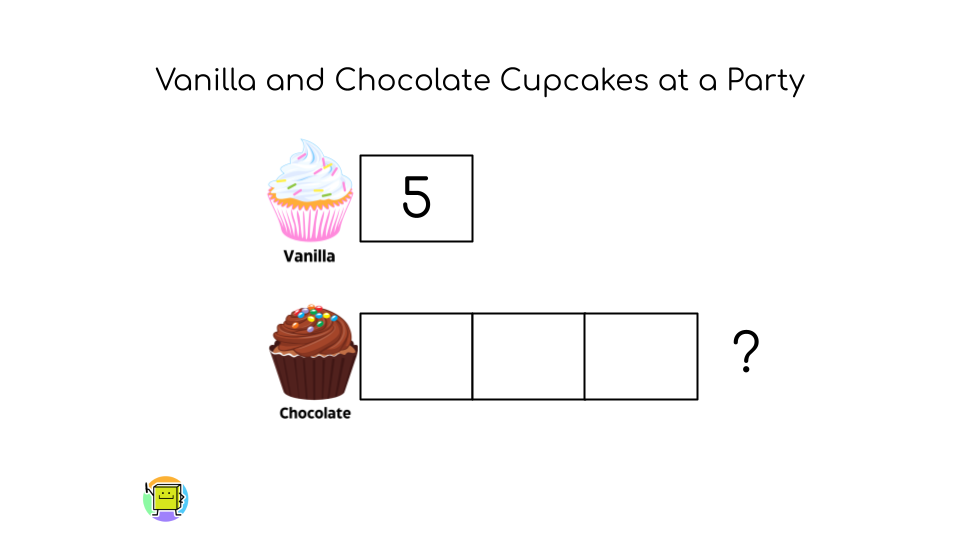
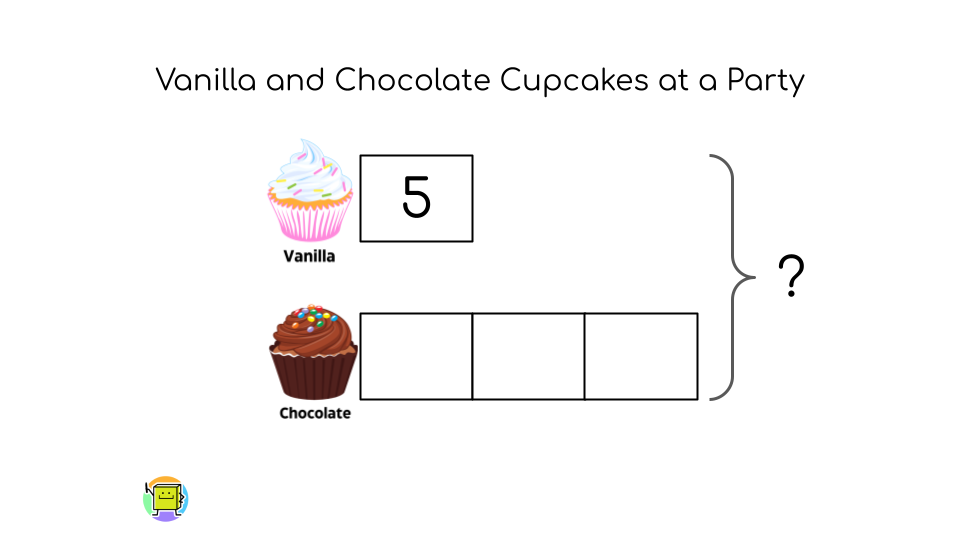
More than and less than
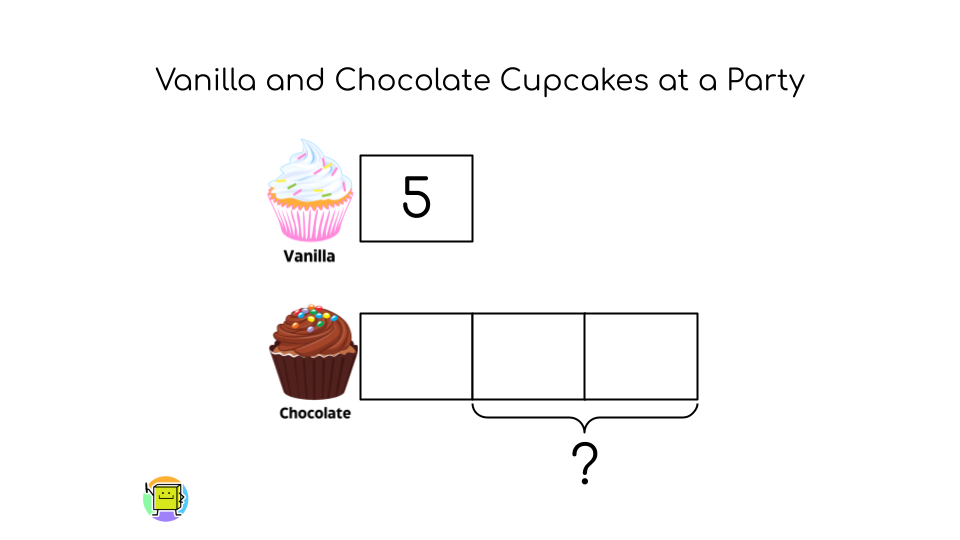
How many chocolate?
How many more chocolate?
How many total cupcakes?
Multiplication
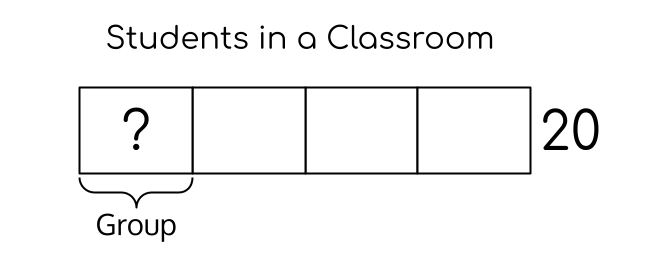
students in each group.
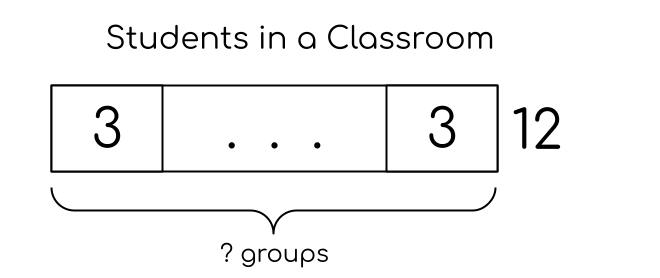
groups of students.
Division
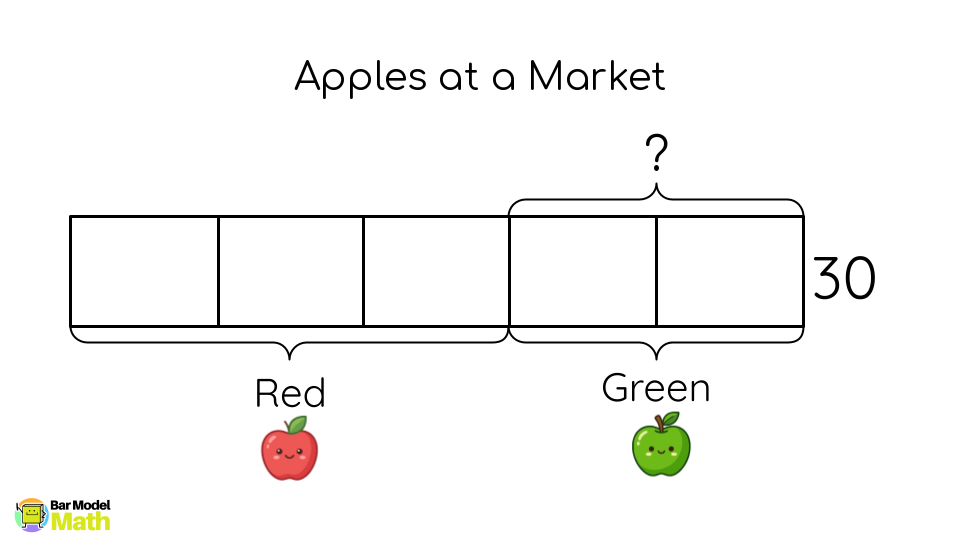
There are 30 total apples.
35 are red, and the rest are green.How many green apples are at the market?
Fractions
And so much more.
“Not only did my students start understanding ‘word’ problems, they started ‘writing’ their own! Our test scores are better, but there’s also a whole lot more talking in math class.”
Let’s get started!
For teachers
Change the way your students do math
And do it in a way that's fun to learn and easy to teach! Sign up for a free resource, and to learn about the Bar Model Math curriculum for your grade(s). Or, browse our resources to learn more.
For schools and districts
Bring Bar Model Math to your school
Give every K–5 classroom the same visual tool, so students build on it year after year. Our full curriculum comes with dozens of lessons and interactive activities, and thousands of bar models – plus teacher workshops and training.